


Local SEO: Optimizing Your Website for Local Search Terms
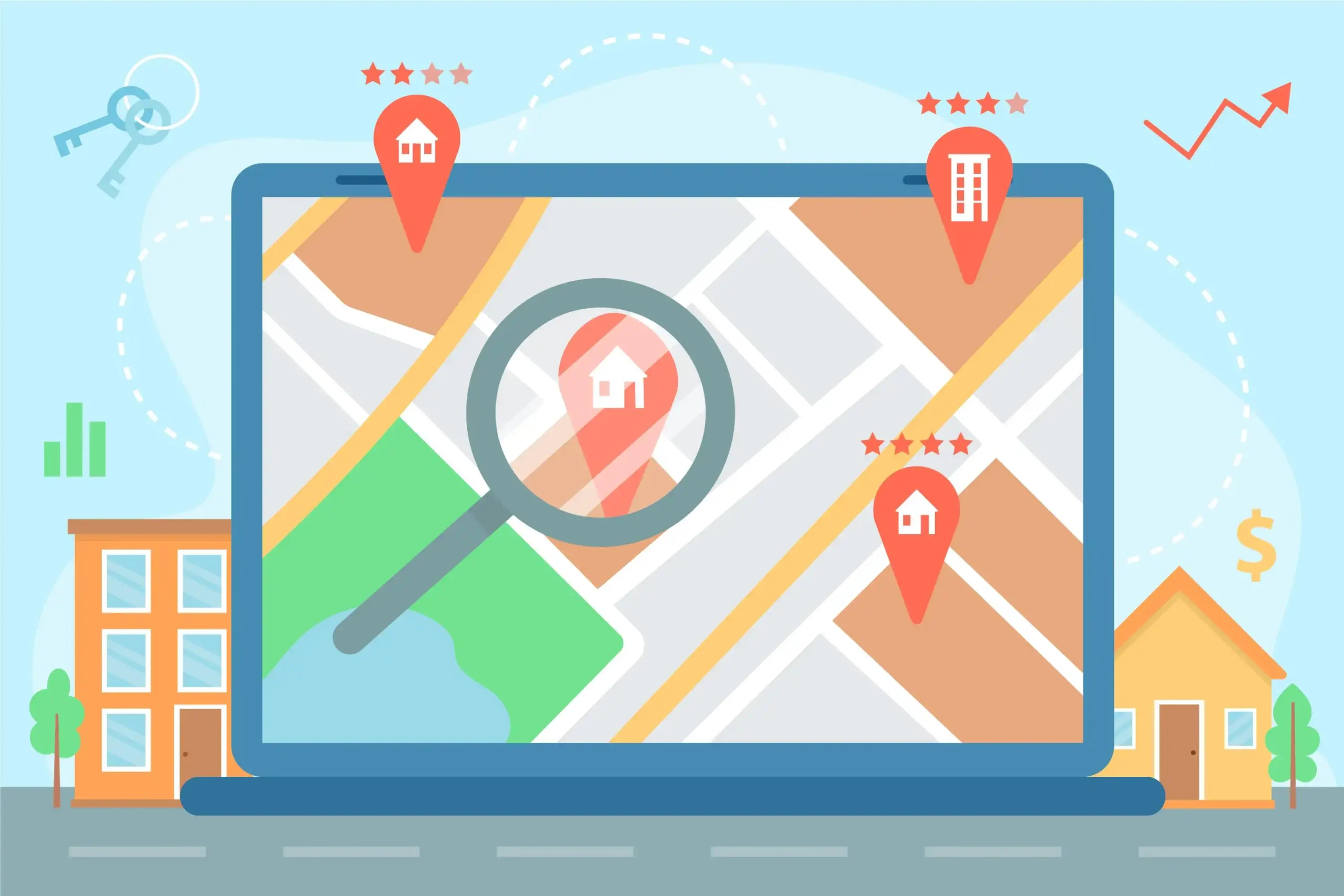
Local SEO is essential part of your overall SEO strategy, focusing specifically on optimizing your website for local keywords and search terms. It involves tailoring your online presence to attract potential customers in your specific area.
For instance, let’s consider a business that manufactures and installs windows and doors on the south coast of Hampshire. In order to reach local customers, it is important to incorporate relevant keywords like “double glazing company,” “UPVC windows,” “UPVC doors,” and “windows and doors.”
However, to target customers in your catchment area, it is crucial to include local variations of these keywords, such as “double glazing company near me,” “double glazing company Portsmouth,” “UPVC windows Southampton,” and “conservatory companies in Hampshire.” By optimizing your website for these local search terms, you can attract organic traffic from potential customers in your vicinity.
To improve your local SEO, here are some tips to follow:
- Set up and optimize your Google Business Profile: Claim your Google Business Profile to appear on Google Maps and in the local pack of search results. It is simple to set up, free of charge, and crucial for enhancing your local SEO. Provide detailed information about your business, such as a compelling description, relevant categories, opening hours, accepted payment methods, phone number, and website address. Additionally, incorporate your business logo and other relevant images to attract potential customers. Collecting customer reviews on your Google Business Profile is also vital to improve its quality and boost your ranking position.
- Optimize your metadata for local search terms: Your meta title and description play a significant role in attracting clicks from search results. Include your target location along with relevant keywords to make your business stand out. It is important to keep your title within 50-60 characters and your description within 155-160 characters to avoid truncation. Focus on one keyword, place names, and your business name to make the most of the limited space. Additionally, consider placing your target keyword at the beginning of your title or description to enhance your click-through rate.
- Create location-based landing pages: If you want to rank for search terms in a specific area, creating location-based landing pages is highly effective. For example, if you have multiple franchise locations across the UK, create landing pages optimized for each area. This will generate targeted traffic and improve the user experience by directing local searchers to the right page with relevant information about your services.
- Collect more online customer reviews: Customer reviews are crucial for building trust and credibility. Encourage your customers to leave reviews on platforms like Google Business Profile, Trustpilot, and REVIEWS.io. Avoid fake reviews and ask your customers directly to leave feedback. If you provide physical products, include a postcard requesting reviews. For digital products or services, send automated emails to customers asking for their thoughts and opinions.
- Implement structured data markup: Adding structured data markup to your website’s code provides search engines with additional information about your business. This can include details about the products you sell, customer reviews, services offered, and frequently asked questions. By implementing structured data, you can stand out in local search results and potentially outrank your competitors. It also increases your visibility with rich snippets, showcasing important information like your office address and business hours.
In summary, local SEO is crucial for businesses targeting specific geographic areas. By incorporating local keywords, optimizing your Google Business Profile, improving metadata, creating location-based landing pages, encouraging customer reviews, and implementing structured data markup, you can enhance your online presence and attract more organic traffic from local customers.